Lifestyle
Can You Paint Your Apartment? Renter's Guide to Painting Apartment Walls
Date published
November 13, 2025

The concept of color has been studied for decades by Applied Environmental Psychologists who examine how our surroundings affect our emotions. And that includes paint colors in your apartment.
This guide covers everything renters need to know about painting apartment walls safely and legally.
Can You Paint Apartment Walls? Getting Landlord Permission First
The short answer: It depends on your lease agreement. Before you even think about paint swatches, you must get explicit written permission from your landlord or property management company.
Why Landlord Approval is Non-Negotiable
Painting apartment walls without proper authorization can result in serious financial and legal consequences.
Loss of security deposit: Landlords can legally withhold a portion of a security deposit that corresponds to the cost of repairing damage that exceeds normal wear and tear. Many rental property management companies maintain strict apartment painting policies to preserve unit consistency and market appeal to future tenants.
Additional repainting fees: You may receive bills for $3-$8 per square foot for professional apartment wall painting services, which can easily exceed $2,000 for a one-bedroom unit.
How to Request Painting Permission
- Review your lease thoroughly for any clauses about alterations or improvements
- Submit a written request specifying:
- Which rooms/walls you want to paint
- Exact paint colors (include color swatches)
- Your plan for restoration when moving out
- Wait for written approval before purchasing any supplies
- Get specific conditions in writing, such as:
- Approved paint types and finishes
- Whether you must restore the original colors
- Any restrictions on painting techniques
What If Your Landlord Says You’re Not Allowed to Paint?
If apartment wall painting isn't allowed, these renter-friendly wall decoration alternatives can transform your space without violating lease terms:
Removable wall decals: Large-scale wall decals can create the visual impact of painted murals while remaining completely reversible, with options ranging from nature scenes to abstract art that complement any apartment decorating style. Many apartment dwellers use vinyl wall graphics to create focal points in living rooms and bedrooms without risking lease violations or security deposit deductions.
Fabric wall hangings: Floor-to-ceiling fabric panels or large tapestries can cover entire walls with color and pattern, while also providing sound-dampening benefits in thin-walled apartment buildings.
Artwork and mirrors: Strategic placement of framed artwork, mirrors, and floating shelves using hanging solutions that can be easily repaired (hammer and nails, etc). These apartment wall decorating methods are approved by most landlords since they don't penetrate apartment surfaces or require permanent modifications to rental property walls.
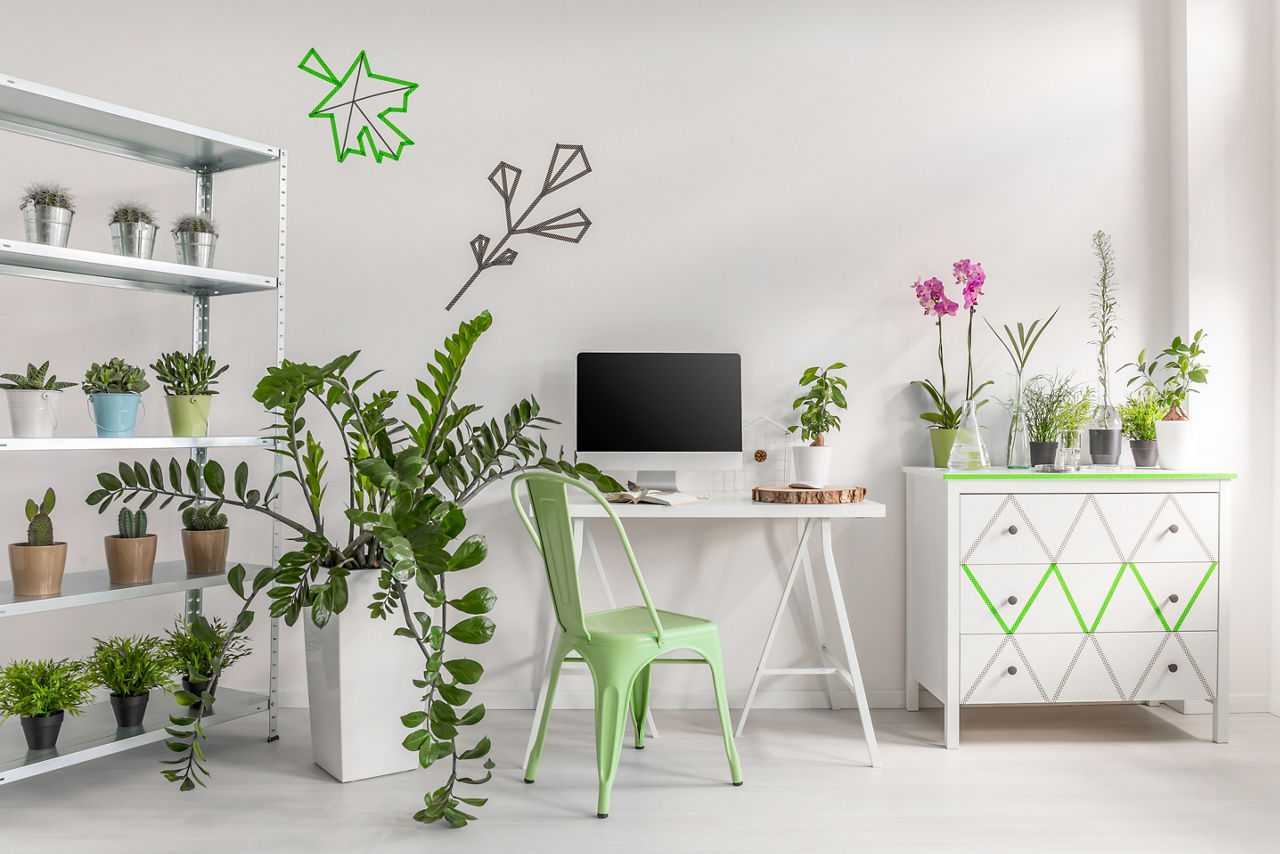
Temporary wall coverings: Products like temporary wallpaper panels, fabric wall tiles, and magnetic wall coverings offer the visual impact of paint while protecting your security deposit and allowing for easy apartment personalization. Many modern apartment renters combine multiple temporary wall treatments to create custom apartment interior design schemes that rival professionally painted spaces.
The Psychology of Apartment Paint Colors: Choose Colors That Boost Your Mood
Choosing the right paint color goes beyond aesthetics—it directly impacts your daily well-being. Applied Environmental Psychologist Sally Augustin of Design with Science explains that color psychology focuses on three key attributes:
- Hue: The color family (reds, blues, greens, etc.)
- Saturation: How pure or greyish the color appears
- Brightness: The amount of white mixed into the color
Best Paint Colors for Different Apartment Rooms
Blue: Perfect for Bedrooms
Blue apartment walls promote trustworthiness and restfulness, making them ideal for bedrooms where you want to unwind after long days. Light blues also make small apartments feel larger and more peaceful by reflecting natural light.
Recommended apartment bedroom paint colors:
- Soft sky blue for maximum relaxation: Colors like Benjamin Moore's "Breath of Fresh Air" create a spa-like atmosphere that promotes better sleep quality. This apartment bedroom color is particularly effective in environments where stress levels are high and quality rest is essential.
- Powder blue for small bedrooms: Pale blue shades make cramped apartment bedrooms feel more spacious while maintaining a cozy, intimate feeling. These light apartment paint colors work especially well in studio apartments and efficiency units where maximizing perceived space is crucial for comfortable apartment living.
- Navy accent walls for sophisticated style: Deep blue feature walls behind beds create dramatic focal points without overwhelming small apartment spaces. This apartment wall painting technique is popular among young professionals seeking sophisticated apartment interior design that impresses guests while maintaining rental property compliance.
Green: Ideal for Home Offices
Green interior paint colors enhance creative performance and cognitive work, making them perfect for apartment home office spaces or study areas where productivity is essential.
Recommended paint colors for apartment office space:
- Sage green for calming focus: Muted green tones reduce eye strain during long work sessions while creating a connection to nature in urban apartment settings. This apartment home office color is ideal for remote workers and apartment dwellers who spend significant time working from their rental units.
- Forest green for productivity: Deeper green shades like Sherwin-Williams' "Evergreens" boost concentration and decision-making abilities. These rich apartment wall colors create professional environments suitable for video calls and client meetings in apartment home offices.
- Mint green for creative inspiration: Light green apartment wall colors stimulate innovative thinking, perfect for artists, writers, or creative professionals working from home. This refreshing apartment paint choice helps maintain energy levels during long creative sessions in small apartment workspaces.
Warm Colors: Great for Social Spaces
Apartment paint colors like reds, oranges, and warm neutrals encourage socializing and create cozy gathering spaces that make guests feel welcome.
Recommended paint colors for apartment social space:
- Living rooms and entertaining areas: Terracotta, soft coral, or cream can make apartment living rooms feel inviting and encourage conversation during dinner parties
- Kitchen dining spaces: Buttery yellow or peach can create appetizing environments that make meals more enjoyable
- Apartment entryways: Welcoming neutrals in hallways and foyers create positive first impressions for guests and make narrow apartment corridors feel more spacious
Red: Use Sparingly
While red provides energy and strength, it can disrupt cognitive work and feel overwhelming in large doses. Consider using red for:
- Small accent walls
- Kitchen backsplashes
- Workout areas
Yellow: A Polarizing Choice
Yellow is the least popular color overall, but those who love it form strong positive associations. Use yellow carefully for spaces such as:
- Small powder rooms
- Kitchen accents
- Children's play areas
Neutral Colors That Always Work
For maximum renter appeal and easy touch-ups:
- Warm grays
- Soft beiges and creams
- Off-whites with subtle undertones
- Greige (gray-beige blends)
Essential Apartment Painting Supplies: What You'll Need
Basic Apartment Painting Tools
Paint brushes: High-quality synthetic brushes work best with latex apartment wall paint, while natural bristle brushes are ideal for oil-based primers and paints on apartment trim work. Professional apartment painters recommend investing in premium brushes to achieve clean, professional-looking paint lines that satisfy landlord inspection requirements.
- Recommended: 2-3 inch angled brush
Rollers: Choose rollers with sturdy frames that won't bend under pressure, and invest in telescoping extension poles to safely reach apartment ceiling lines without ladders. Quality apartment painting equipment ensures even coverage and reduces the need for multiple coats, saving both time and money on apartment wall painting projects.
- Recommended: 9-inch roller with extension pole
Roller sleeves: The correct nap thickness ensures even paint coverage and prevents stippling or streaking on different apartment wall textures. Matching roller nap to apartment surface conditions is crucial for achieving rental-quality finishes that meet property management standards.
- Recommended: 3/8" nap for smooth apartment walls, 1/2" for textured surfaces
Paint trays with disposable liners: Metal trays with ribbed sections help remove excess paint from rollers, while disposable liners make cleanup faster and prevent color contamination between apartment painting projects. This apartment painting supply is essential for maintaining clean work areas in small rental units where space is limited.
5-gallon bucket for mixing multiple paint cans: Essential for maintaining color consistency when painting large apartment walls, especially when using multiple gallons of the same color that may have slight variations. Professional apartment painting contractors ensure uniform color throughout entire apartment painting jobs.
Protection and Apartment Painting Prep Supplies
Painter's tape with applicator tool: Use high-quality tape designed for delicate apartment surfaces, and choose different adhesion levels based on paint age and wall texture to prevent damage. Premium apartment painting tape ensures clean lines and protects rental property surfaces from accidental paint damage that could affect security deposits.
Cotton drop cloths: Canvas drop cloths absorb paint spills better than plastic alternatives and provide better traction on apartment floors, reducing slip hazards during painting projects. These reusable apartment painting supplies are preferred by professional painters working in occupied rental units where tenant safety is paramount.
Safety glasses or goggles: Protect eyes from paint splatters and primer fumes, especially important in small apartment spaces with limited ventilation. Apartment painting safety equipment is essential when working in close quarters where paint particles can easily reach eyes and airways.
Putty knife for sealing tape edges and minor wall repairs. A 2-inch flexible putty knife helps achieve clean paint lines and can fill small nail holes in apartment walls without professional spackling. This versatile apartment painting tool handles multiple tasks, from surface preparation to final touch-ups that ensure rental property compliance.
Two-step ladder for reaching ceiling edges: Choose a sturdy ladder rated for your weight plus supplies, essential for apartment painting projects where ceiling access is needed
Paint Selection Guide
- Primer: Essential for color changes and repairs
- Paint finish types:
- Flat/Matte: Hides imperfections, but is hard to clean
- Eggshell: Low sheen, easier to clean than flat
- Satin: Durable, good for high-traffic areas
- Semi-gloss: Best for bathrooms and trim
Step-by-Step Apartment Painting Process
1. Surface Preparation (Most Important Step)
Wall Cleaning:
- Remove all hardware, outlet covers, and switch plates
- Clean walls with TSP (trisodium phosphate) or mild detergent
- Fill holes and cracks with lightweight spackle
- Sand repairs smoothly with 220-grit sandpaper
- Wipe walls clean and let them dry completely
2. When to Use Primer
Always prime when:
- Painting over dark colors with light colors
- Covering stains, crayon marks, or water damage
- Painting new drywall or repairing
- Switching from oil-based to latex paint
- Making dramatic color changes
Primer Types for Apartment Wall Painting:
Latex primer: Fast-drying, low-VOC, good for most apartment painting applications. Water-based primers clean up easily with soap and water, dry in 2-4 hours, and work well over existing latex paint on apartment walls. These apartment-safe primers are ideal for rental properties where quick turnaround times are essential for tenant move-ins and property management schedules.
Oil-based primer: Superior stain blocking, better for problem apartment surfaces. Alkyd primers excel at covering water stains, crayon marks, and smoke damage often found in older apartments, though they require mineral spirits for cleanup and better ventilation. Professional apartment renovation projects frequently rely on oil-based primers to address common rental property issues like pet stains and previous tenant damage.
Stain-blocking primer: Covers tough stains and odors in apartment units. Shellac-based primers like Zinsser BIN effectively seal pet odors, smoke damage, and water stains that commonly occur in rental properties, preventing bleed-through to your new apartment wall paint. These specialized apartment primers are essential when dealing with challenging rental unit conditions that could affect paint adhesion and long-term durability.
3. Proper Painting Technique
Cutting In: "Cutting in" is the painting technique of carefully painting precise lines along edges where walls meet ceilings, corners, trim, and around fixtures using only a brush. This essential apartment wall painting skill creates clean, professional-looking borders before you roll paint on the main wall areas. Proper cutting in eliminates the need for painter's tape in many situations and is the hallmark of quality apartment painting work.
- Use a high-quality angled brush
- Paint 2-3 inch bands along edges, corners, and trim
- Work in small sections to maintain a wet edge
Rolling:
- Load roller evenly, remove excess on tray ridges
- Apply in W or V patterns, then fill in
- Work top to bottom in 2x4-foot sections
- Maintain wet edges to avoid lap marks
4. Color Consistency Tips
Mix multiple cans in a 5-gallon bucket for uniform color throughout the room. Paint colors can vary slightly between cans.
Test patches overnight under different lighting conditions:
- Natural daylight
- Artificial lighting
- Evening lamp light
Common Apartment Painting Mistakes to Avoid
1. Skipping Surface Prep
Poor apartment wall preparation is the #1 cause of paint failure in rental properties. Never skip cleaning, patching, and priming steps, as inadequate prep leads to peeling paint, uneven coverage, and costly do-overs that can exceed your original apartment painting budget.
2. Using Cheap Paint for Apartment Walls
Low-quality apartment paint requires more coats and doesn't last as long, leading to frequent touch-ups and higher long-term costs. Invest in premium apartment wall paint with better coverage and durability to avoid multiple coats and ensure your paint job looks professional throughout your lease term.
3. Inadequate Ventilation During Apartment Painting
Always ensure proper airflow when painting apartment interiors, especially when using oil-based products or painting apartment bathrooms. Poor ventilation can cause health issues, slow drying times, and create moisture problems that affect paint adhesion on apartment walls.
4. Removing Tape Too Late
Remove painter's tape while the apartment wall paint is still slightly wet (within 30-60 minutes) to avoid peeling and achieve crisp, clean lines. Waiting too long can cause dried paint to chip when removing tape from apartment surfaces.
5. Not Documenting Original Apartment Colors
Take high-quality photos and keep paint sample cards of original apartment wall colors for move-out restoration requirements. Many leases require returning walls to their original colors, and matching paint without documentation can be expensive and difficult.
Apartment Painting Costs and Budgeting
DIY Apartment Painting Costs
Studio apartment: $150-$400
- Small spaces require 1-2 gallons of paint plus supplies, making DIY apartment painting highly cost-effective for budget-conscious renters. These compact apartment painting projects are perfect for first-time apartment painters looking to personalize small rental spaces without breaking the bank.
One-bedroom apartment: $300-$600 - Mid-sized units typically need 2-3 gallons of quality apartment wall paint plus primer for accent walls or dramatic color changes. Most one-bedroom apartment painting projects can be completed over a long weekend, making them popular choices for apartment dwellers seeking affordable home improvement solutions.
Two-bedroom apartment: $500-$900 - Larger apartments require 3-4 gallons of paint and additional supplies, but DIY savings can exceed $2,000 compared to professional apartment painting services. These extensive apartment painting projects require careful planning and may benefit from enlisting friends or family members to help complete the apartment wall painting work efficiently.
Detailed apartment painting cost breakdown:
Quality apartment wall paint: $30-$70 per gallon (covers approximately 350-400 square feet)
- Premium brands like Sherwin-Williams offer better coverage and durability for apartment painting projects. Investing in high-quality apartment paint reduces the number of coats needed and ensures longer-lasting apartment wall finishes.
Apartment primer: $25-$50 per gallon
- Essential for covering dark colors, stains, or when painting over different paint types in rental properties. Professional apartment painting estimates always include primer costs, as this essential apartment painting ensures proper paint adhesion and color accuracy.
Professional Apartment Painting Costs
Per square foot: $2-$6
- Professional apartment painters charge based on wall area, with higher rates in expensive markets like NYC, San Francisco, and Washington, DC. Apartment painting contractors factor in local labor costs, permit requirements, and apartment building access challenges when providing apartment painting quotes.
Per room: $300-$800
- Individual apartment room painting costs vary based on size, ceiling height, and complexity of trim work. Most apartment painting companies offer package deals for multiple rooms, reducing per-room apartment painting expenses for larger projects.
Whole apartment: $1,500-$5,000+
- Complete apartment painting projects include all rooms, hallways, and detailed trim work with professional-grade materials. Full-service apartment painting contractors handle everything from furniture moving to final cleanup, justifying higher apartment painting service costs.
Apartment painting costs vary significantly by location, with major metropolitan areas commanding premium rates due to higher labor costs and permit requirements in some cities.
Protecting Your Security Deposit
Document Everything
Take high-resolution photos with timestamps of every apartment wall, showing existing scuffs, nail holes, and imperfections before starting any apartment painting project. These apartment condition photos serve as crucial evidence during move-out inspections and protect against false damage claims that could affect your security deposit recovery.
Collect actual paint chips or color swatches from existing apartment walls, not just photos, as lighting can distort color accuracy in pictures. Store original apartment paint samples in a labeled envelope with room locations, as matching paint colors exactly is essential for apartment restoration requirements and avoiding repainting charges.
Secure explicit written permission via email or signed documents that specify approved apartment paint colors, rooms to be painted, and any restoration requirements upon move-out. Verbal apartment painting approval isn't legally binding and won't protect your security deposit if disputes arise with property management during apartment lease termination.
Keep detailed receipts for all apartment painting supplies, paint purchases, and any professional apartment painting services used during your tenancy. These apartment painting receipts demonstrate responsible property maintenance and can support security deposit claims if landlords attempt to charge for improvements you made to rental property conditions.
Move-Out Apartment Painting Preparation
Touch up scuffs and minor damage: Use leftover apartment wall paint to fix nail holes, scuff marks, and wear patterns around light switches and door frames that commonly occur during tenancy. Professional apartment painting touch-ups can prevent larger apartment restoration charges that landlords often assess during move-out inspections.
Restore original apartment colors if required by lease: Many rental agreements require returning walls to original neutral colors, which may involve multiple primer coats to cover bold or dark apartment paint choices. Experienced apartment renters budget extra time and materials for apartment color restoration to ensure full security deposit recovery.
Have paint splatters professionally cleaned: Remove paint drops from apartment fixtures, baseboards, and floors using appropriate solvents.
Walk through documentation with landlord: Schedule a pre-move-out inspection to address any apartment painting concerns before your final walk-through, ensuring no surprises that could affect your deposit return. Smart apartment tenants document all completed apartment painting work with photos and written agreements to protect against disputed apartment restoration charges during the move-out process.
Health and Safety Considerations for Apartment Painting
Choose Low-VOC Paints for Safer Apartment Living
Volatile Organic Compounds (VOCs) can cause health issues, especially in poorly ventilated apartments. Look for:
Zero-VOC paints for bedrooms and children's rooms: These apartment-safe paints contain no harmful chemicals and are essential for spaces where family members spend the most time sleeping and playing. Zero-VOC apartment wall paints prevent headaches, respiratory irritation, and long-term health concerns common in small rental units with limited air circulation.
Low-VOC options for general apartment use: These apartment paints contain minimal chemical emissions while still providing excellent coverage and durability for living rooms, kitchens, and hallways. Low-VOC apartment painting products meet environmental standards while reducing indoor air pollution that can accumulate in enclosed apartment spaces.
Green-certified products from major brands: Look for apartment paints with GREENGUARD Gold certification or similar environmental ratings from trusted brands like Benjamin Moore Natura, Sherwin-Williams Harmony, or Behr Premium Plus Ultra. These certified apartment painting products undergo rigorous testing to ensure minimal chemical off-gassing in residential environments.
Ventilation Requirements for Safe Apartment Painting
Open windows and use fans: Create cross-ventilation by opening windows on opposite sides of rooms and positioning fans to pull fresh air in and push paint fumes out. Proper apartment painting ventilation is especially critical in studio apartments and efficiency units where living spaces are compact and air circulation is naturally limited.
Allow 24-48 hours for complete drying: Don't rush back into painted apartment rooms, as paint continues releasing fumes even after surfaces feel dry to the touch. Extended drying time is particularly important for apartment bedrooms and spaces with carpet that can trap paint vapors and affect indoor air quality.
Consider temporary relocation for sensitive individuals: Pregnant women, young children, elderly residents, or anyone with respiratory conditions should stay elsewhere during apartment painting projects and for 48-72 hours afterward. Many apartment renters arrange to stay with friends or family during major apartment wall painting projects to avoid health risks.
Apartment Painting Timeline for Successful Projects
Planning Phase for Apartment Painting (1-2 weeks)
Get landlord approval: Submit formal apartment painting requests with specific color samples and room locations, allowing time for property management review and potential negotiations. Many apartment painting projects are delayed because renters underestimate the time needed for landlord communication and approval processes.
Choose colors and order samples: Test paint samples on apartment walls under different lighting conditions throughout the day, as apartment lighting varies significantly from natural morning light to evening artificial illumination. Order sample sizes of 3-4 apartment paint colors to ensure your final choice looks perfect in your specific rental unit conditions.
Purchase apartment painting supplies: Create detailed supply lists based on room measurements and buy everything at once to avoid mid-project delays when stores are closed. Smart apartment painters purchase 10-15% extra paint and supplies to account for touch-ups and unexpected coverage needs in rental properties.
Schedule time off work if needed: Block out long weekends or vacation days for apartment painting projects, especially if you're painting multiple rooms or dealing with complex color changes. Professional apartment painting contractors recommend allowing extra time for first-time DIY painters who may work more slowly than anticipated.
Preparation Phase (1-2 days)
Move furniture and protect apartment floors: Relocate all furniture to room centers and cover with plastic sheets, then protect apartment flooring with canvas drop cloths that won't slip or retain moisture. Proper apartment painting preparation prevents damage to rental property fixtures and your personal belongings that could result in costly replacements.
Clean and prep apartment surfaces: Wash apartment walls with TSP solution, fill nail holes with spackling compound, and sand rough areas smooth before any apartment painting begins. Thorough apartment wall preparation ensures paint adhesion and prevents early failure that could require complete repainting before your lease ends.
Apply primer where needed for apartment walls: Prime all patched areas, dark colors being covered, and any apartment surfaces with stains or previous paint compatibility issues. Strategic apartment primer application saves money on additional paint coats and ensures even color coverage throughout your rental unit.
Painting Phase (2-3 days)
Day 1: Prime and first coat - Complete all apartment primer application in the morning, then apply first paint coats in the afternoon once primer is fully dry. Professional apartment painters recommend starting with the most challenging rooms first when energy levels are highest and attention to detail is sharpest.
Day 2: Second coat and touch-ups - Apply final apartment paint coats and address any missed spots, uneven coverage, or areas where apartment walls show through the paint. Quality apartment painting requires patience between coats and careful inspection under different lighting conditions to achieve professional results.
Day 3: Clean-up and apartment restoration - Remove all painter's tape, clean apartment fixtures and floors of paint splatters, and carefully move furniture back to original positions. Thorough apartment painting cleanup demonstrates respect for rental property and helps ensure positive relationships with apartment management for future reference checks.
When to Hire Professional Painters
Consider professionals for:
High ceilings or difficult access areas: Apartments with 10+ foot ceilings, vaulted spaces, or stairwells require specialized equipment and safety expertise. Many apartment painting accidents occur when inexperienced DIYers attempt to reach high areas, making professional apartment painting services a safer and more efficient choice for challenging architectural features.
Complex color schemes or decorative techniques: Multi-color apartment painting projects, accent walls with intricate patterns, or specialty finishes like faux painting require advanced skills and professional apartment painting equipment. Experienced apartment painting contractors have the expertise to execute complex apartment interior design visions while maintaining clean lines and consistent coverage throughout rental properties.
Time constraints or physical limitations: Working professionals, elderly tenants, or anyone with mobility issues benefit from professional apartment painting services that can complete projects quickly and efficiently. Professional apartment painters work faster than DIYers and can often finish entire apartment painting jobs in 1-2 days, compared to weeks of weekend work for inexperienced apartment renters.
Valuable furniture or fixtures that need protection: Apartments with expensive furniture, hardwood floors, or delicate fixtures require careful protection during apartment painting projects. Professional apartment painting companies carry comprehensive insurance and use specialized apartment painting protection methods to safeguard valuable belongings that could be damaged during DIY apartment wall painting attempts.
Landlord requirements for professional work: Some lease agreements mandate professional apartment painting services for major color changes or require licensed contractors for apartment renovations. Property management companies often prefer working with established apartment painting contractors who understand rental property requirements and can provide proper documentation for apartment painting compliance and warranty coverage.
Frequently Asked Questions
Q: Can you paint apartment walls without permission?
A: No, most lease agreements require written landlord approval before painting. Painting without permission can result in security deposit loss and additional fees.
Q: Do I have to paint my apartment back to its original colors when I move out?
A: This depends on your lease agreement and landlord approval conditions. Some landlords allow you to keep approved colors, while others require restoration to original colors.
Q: What's the best paint color for small apartments?
A: Light, neutral colors like soft whites, warm grays, and pale blues make small spaces feel larger and brighter while appealing to future tenants.
Q: How much does it cost to paint an apartment?
A: DIY painting typically costs $150-$900, depending on apartment size, while professional painting ranges from $1,500-$5,000+ in major cities.
Final Thoughts: Transform Your Apartment Responsibly
Painting your apartment walls can dramatically improve your living space and daily mood, but it must be done with proper planning and landlord approval. By following this guide, you'll protect your security deposit while creating a home that truly reflects your personality.
Remember Augustin's advice: choose colors based on your personal associations rather than trends. You'll see these walls every day, so pick colors that make you happy and comfortable in your space.
Whether you go the DIY route or hire professionals, proper preparation and quality materials are key to achieving results that will satisfy both you and your landlord when it's time to move out.
The information presented on or through this Website is made available solely for general information purposes. We do not warrant the accuracy, completeness, or usefulness of this information. Any reliance you place on such information is strictly at your own risk. We disclaim all liability and responsibility arising from any reliance placed on such materials by you or any other visitor to this Website, or by anyone who may be informed of any of its contents. Any reference to amenities, services, rules, policies, or procedures at a Greystar apartment community is general in nature, and each Greystar apartment community may have amenities, services, rules, policies, and procedures that differ from those referenced on this Website. Please consult with your Greystar apartment community for the exact amenities, services, rules, policies, or procedures applicable.
This Website may include content provided by third parties, including materials provided by other users, bloggers, and third-party licensors, syndicators, aggregators, and/or reporting services. All statements and/or opinions expressed in these materials, and all articles and responses to questions and other content, other than the content provided by Greystar, are solely the opinions and the responsibility of the person or entity providing those materials. These materials do not necessarily reflect the opinion of Greystar. We are not responsible, or liable to you or any third party, for the content or accuracy of any materials provided by any third parties. The information contained within does not relate to Greystar Investment Group, LLC’s investment advisory business.
Related posts




More on life at a Greystar community
View all articles